
12 June 2026. Field visit of GFAiR and Foodbridge (which leads GFAiR's Collective Action on Forgotten Foods) following the NUS Africa's regional stakeholders conference. (9 - 11 June 2026. Accra, Ghana).
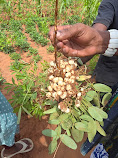
For generations, the Krobo people of eastern Ghana have cultivated bambara groundnut as an important food crop, carefully adapting their farming practices to the rhythms of the seasons. Farmers traditionally grow two varieties of bambara groundnut, selecting each according to rainfall patterns and growing conditions. One variety is planted during the major rainy season, taking advantage of abundant moisture to produce high yields, while the other is better suited to the shorter rains and drier conditions. This seasonal approach reflects the deep agricultural knowledge of the Krobo, who have long understood how crop diversity can reduce risk and ensure food security throughout the year.
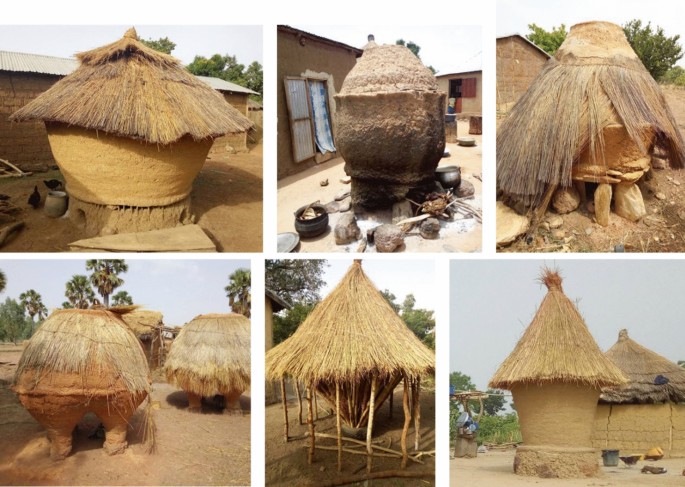
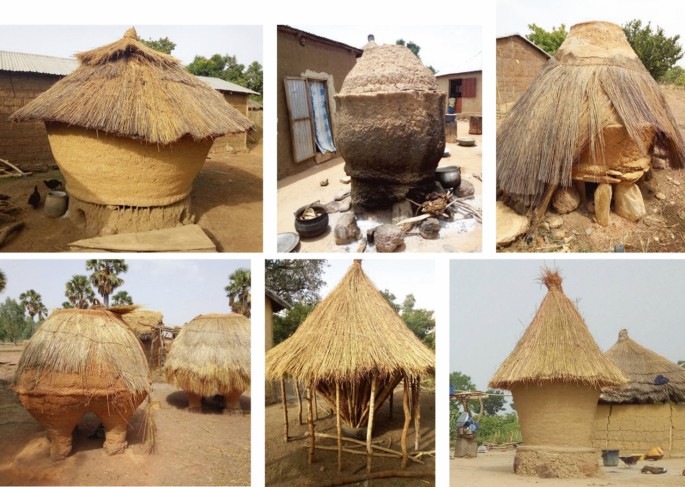
After harvest, bambara groundnut is stored using traditional methods that help preserve seeds for both consumption and future planting. Farmers carefully dry the pods before storing them in clay pots, woven baskets, or specially prepared granaries, often using natural materials to protect the crop from pests and moisture. These storage practices allow households to maintain a steady supply of nutritious food during the dry season while safeguarding valuable seed stocks for the next planting cycle. The crop's ability to remain viable in storage has contributed to its reputation as a reliable food reserve during times of uncertainty.
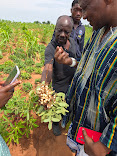
Beyond its agricultural value, bambara groundnut is woven into the cultural identity of the Krobo people. The crop is often associated with community celebrations and traditional festivals that mark harvests, express gratitude for nature's abundance, and strengthen social bonds.
The main harvest festival of the Krobo people, is called the Ngmayem Festival, which means "Eating the New Millet" in the Krobo/Dangme language.
During these festive occasions, foods prepared from bambara groundnut are shared among families and visitors, symbolizing prosperity, resilience, and the enduring connection between people, land, and heritage. In this way, bambara groundnut is more than a crop—it is a living tradition that links Krobo farming knowledge, food culture, and community life across generations.
Interview with the ADA traditional chief
Interview with Nene Zotorvie 6th ADA traditional chief. As a chief carrying the "Nene" title in the Ada state, a leader of this stool is expected to: (a) Oversee development, land administration, and community welfare in the Tamatoku or Tehey areas; (b) Sit under the broader authority of the Paramount Chief of the Ada Traditional Area (the Ada Maŋtsɛ), currently Nene Abram Kabu Akuaku III; (c) Join the annual Ada Asafotufiam Festival to showcase the culture, military history, and unity of the Ada divisions.
Nene Zotorvie V passed away and became the subject of national media attention in September 2018. During his funeral rites, a violent clash erupted between a faction of the Zotorvie family from Tamatoku and indigenes of Tehey over a land and burial space dispute. This tragically resulted in a rival faction attacking the funeral procession and torching the ambulance containing his remains.