
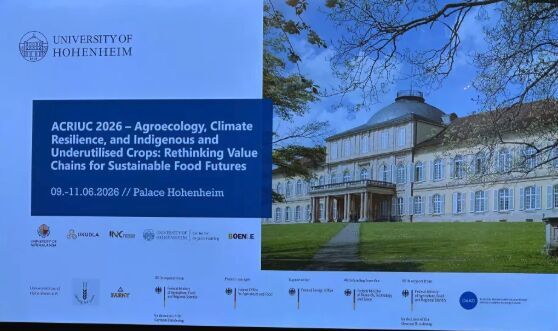
9–11 June 2026 | University of Hohenheim, Stuttgart, Germany
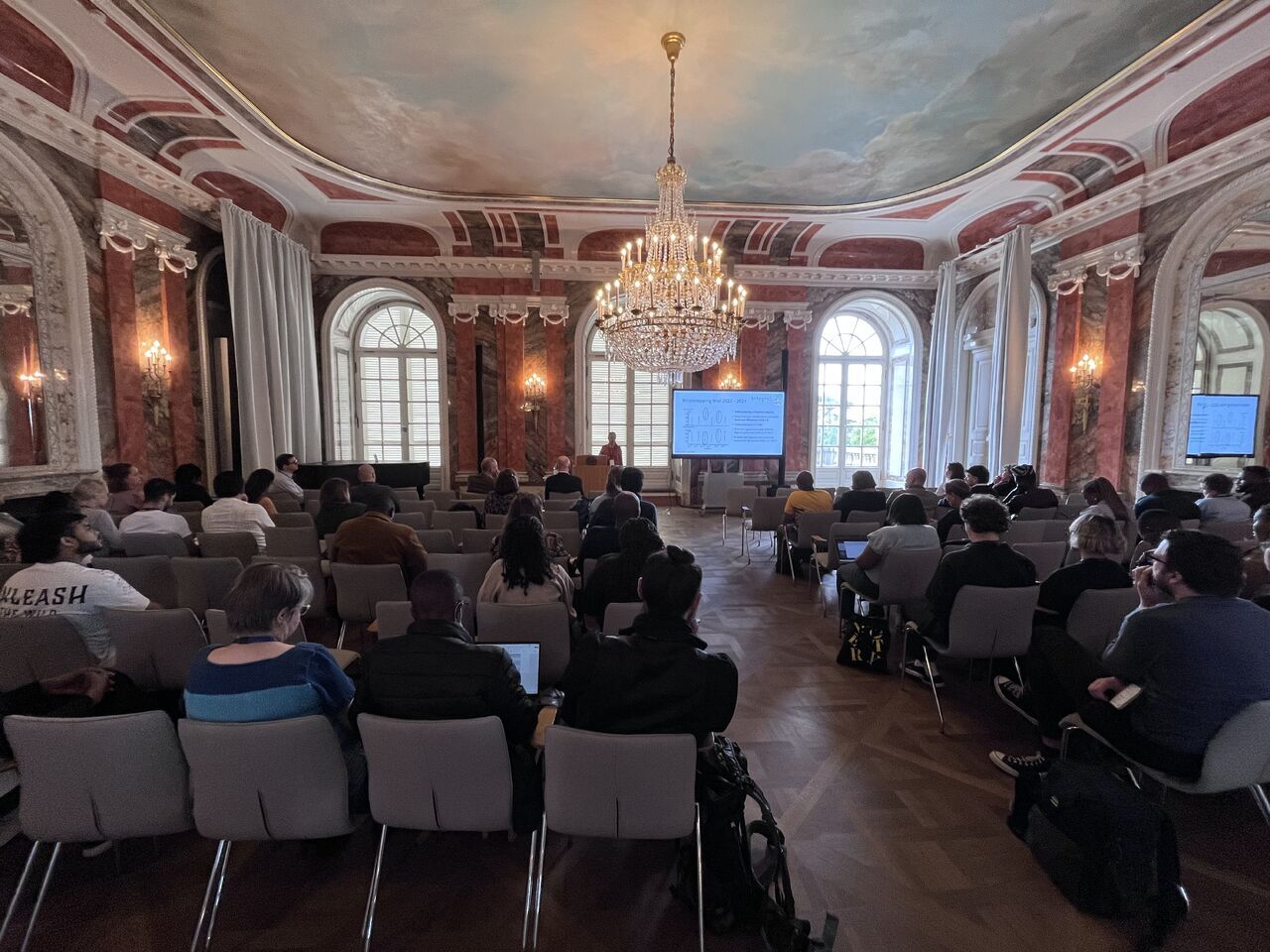
As climate change, biodiversity loss, and malnutrition continue to challenge global food systems, researchers, practitioners, and development organizations are increasingly turning their attention to indigenous and underutilised crops (IUCs) as part of the solution. Against this backdrop, the University of Hohenheim hosted the international symposium "Agroecology, Climate Resilience, and Indigenous and Underutilised Crops: Rethinking Value Chains for Sustainable Food Futures"

The symposium brought together scientists and development partners from Southern Africa and Germany to explore how neglected and underutilised crops can contribute to more resilient, nutritious, and sustainable food systems. Organized through the African-German Centre for Sustainable and Resilient Food Systems and Applied Agricultural and Food Data Science (UKUDLA) and the University of Hohenheim, the event highlighted the growing recognition that future food security will require greater crop diversity and stronger support for crops that have historically received limited research and investment.
Why Indigenous and Underutilised Crops Matter
Across Africa and other regions, many indigenous crops are rich in nutrients, adapted to local agroecological conditions, and capable of thriving under climatic stresses such as drought and heat. Yet most remain marginal in research agendas, seed systems, markets, and public policy.
Throughout the symposium, speakers emphasized that these crops offer opportunities to simultaneously address climate adaptation, dietary diversity, biodiversity conservation, and rural livelihoods. However, realizing this potential will require moving beyond production-focused approaches and investing in the entire value chain—from breeding and seed systems to processing, markets, consumer awareness, and policy support.
For more Click here: https://paepard.blogspot.com/2026/06/agroecology-climate-resilience-and.html