Tashkent, Uzbekistan, 23 November 2026
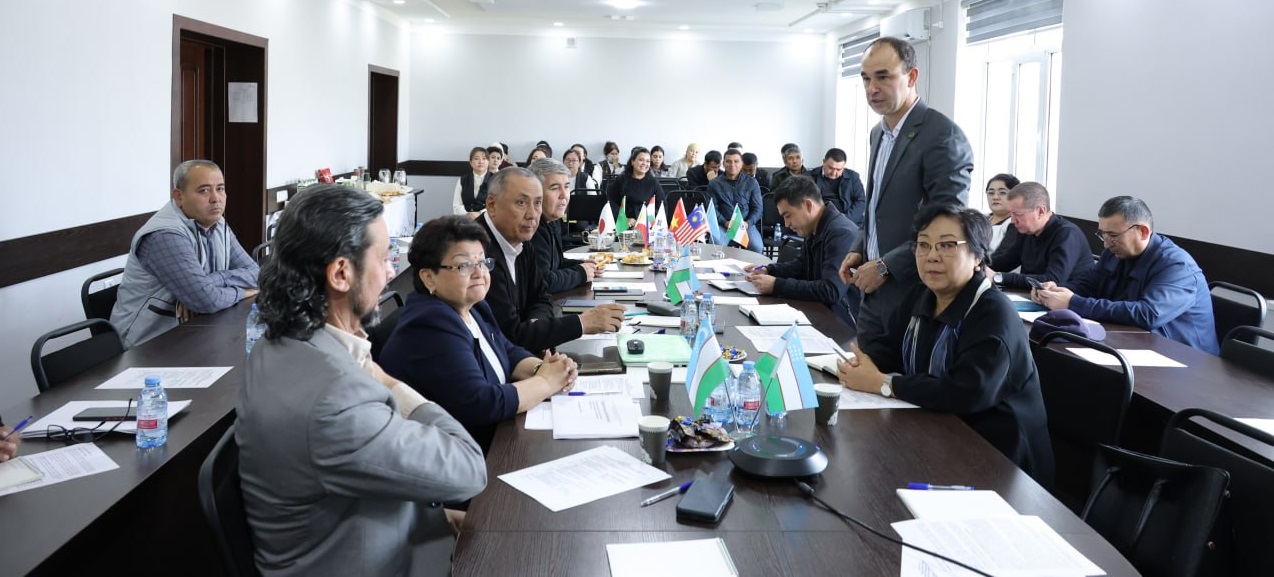
The Global NARS Consortium (GNC) and the Rice Research Institute convened a national validation seminar on the topic "Rice Growing in Uzbekistan: Preliminary Analysis of Alignment and Existing Gaps in Research and Innovation".
The seminar aimed to assess the alignment between ongoing scientific research, innovative developments, and priority areas of state policy in the rice-growing sector, identify existing challenges, and further strengthen the integration of science and production.
The seminar was opened with introductory remarks by Bakhtiyor Kalandarov, Deputy Director of the Rice Research Institute, and Dr. Botir Dosov, Coordinator of the Global NARS Consortium (GNC). They emphasised the pressing importance of developing the country's rice industry on a scientific basis, introducing international experience, and expanding innovative approaches.
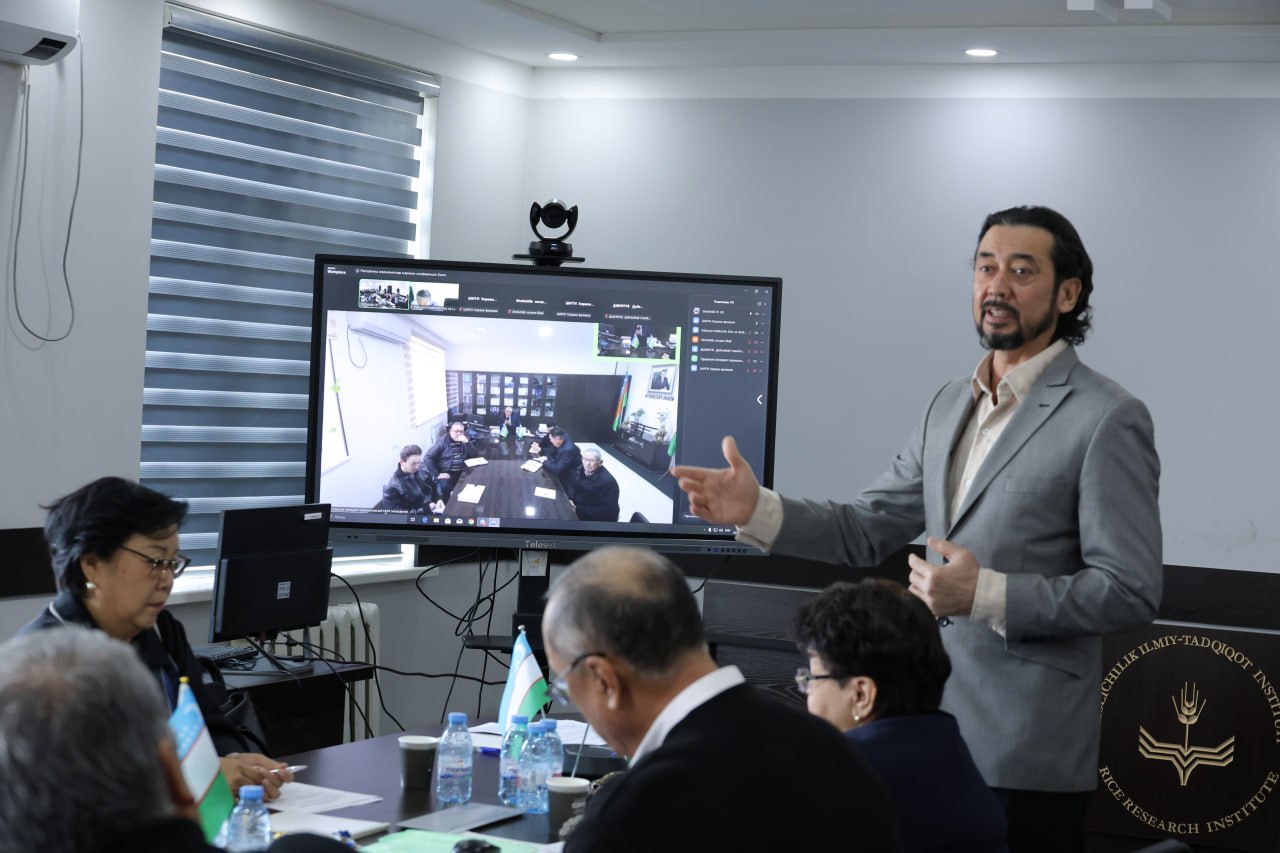
Dr. Dosov and Nabira Jumaboyeva, Deputy Head of the Department of Financing, Accounting, and Reporting at the National Centre for Knowledge and Innovation in Agriculture, presented the preliminary results of diagnostic studies in the rice-growing sector.
In particular, the alignment between scientific projects and state policy priorities, as well as existing gaps related to institutional, financial, and human resource capacities, were analysed.
In the main discussions of the event, special attention was paid to priority issues such as:
- Verifying the accuracy of the registry of scientific projects in rice growing
- Introducing water-saving technologies in the regions
- Creating and implementing new rice varieties into production
Participants also discussed evaluating capacity-sharing mechanisms, strengthening cooperation between scientific institutions and farms, and identifying priority measures to address the identified challenges.
This seminar served as an important dialogue platform for increasing the effectiveness of scientific research in rice growing, ensuring the rational use of existing resources, widely introducing innovative technologies into practice, and further developing international scientific cooperation.
At the conclusion of the seminar, the proposals and recommendations of the participants were summarised, and an agreement was reached regarding the amendments and additions to be included in the final diagnostic report.
Join the GNC Call to Action here