August 4 to 8, 2026– Cotonou, Benin
The 17th World Social Forum (WSF) continues to serve as a powerful global platform, convening diverse voices for social and economic justice.
Despite the political headwinds at the outset in Benin, this World Social Forum proved that when resilience meets solidarity, commitment becomes unstoppable.
This year, the Forum brought together thousands of activists, farmers, researchers, youth leaders, Indigenous communities, policymakers, and civil society organisations from more than 150 countries to explore practical solutions to pressing challenges like climate change, inequality, and food insecurity.
In this vibrant atmosphere, GFAiR (the Global Forum on Agricultural Innovation and Research) made a significant impact by hosting a crucial side event dedicated to its 'Collective Action on Forgotten Foods' (CAFF).
This initiative brings together an intricate tapestry of actors—farmers, researchers, civil society organisations, and private-sector representatives—with a singular mission: to revive neglected and underutilised species (NUS) for a more resilient future.
The CAFF is a vital programme of GFAiR, coordinated by The Food Bridge vzw, funded by the European Commission, and supported technically by the International Fund for Agricultural Development (IFAD).
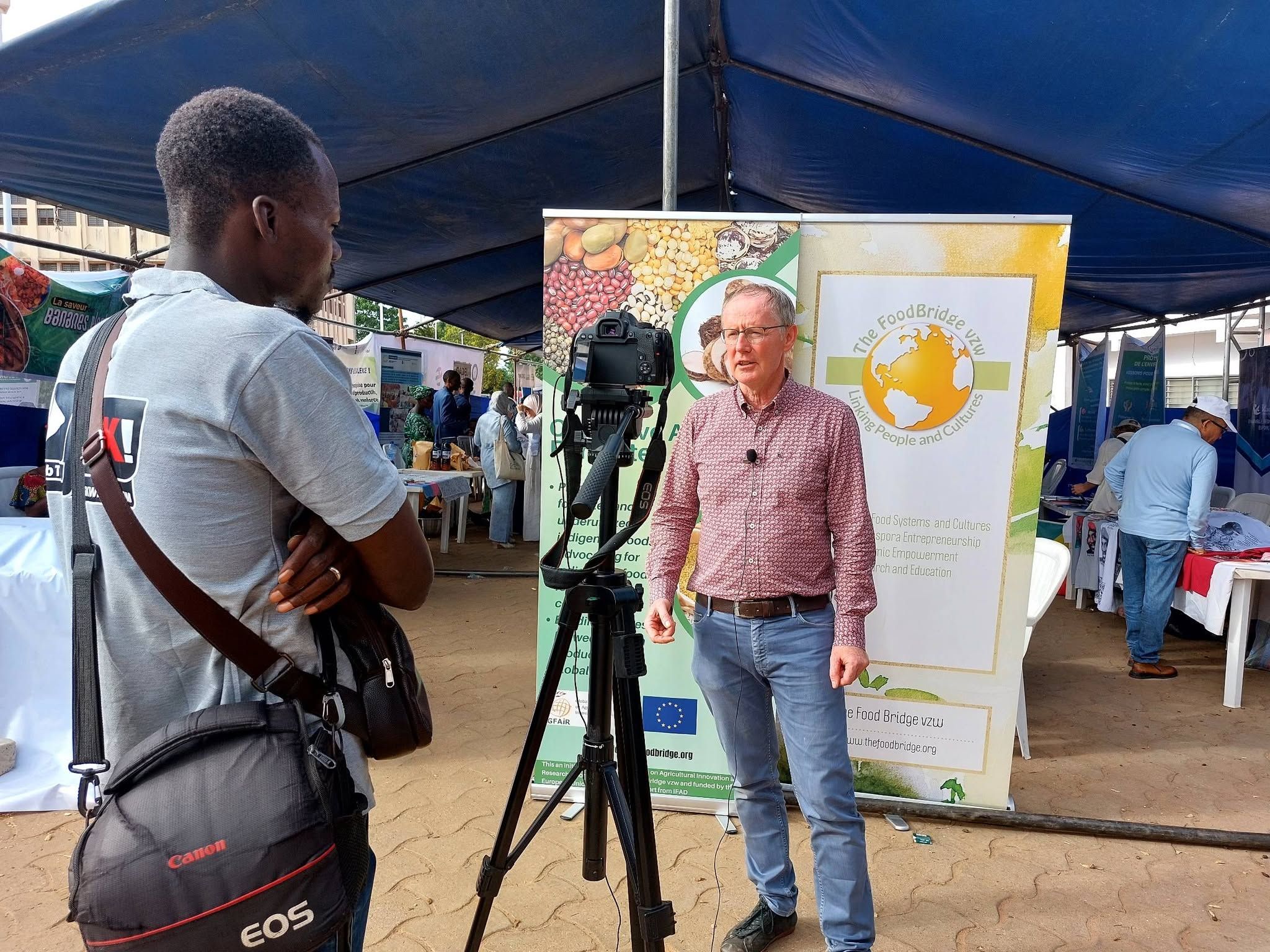
This article delves into the core messages and challenges discussed during this pivotal event, drawing upon an illuminating interview with François Stepman, an Advisor for GFAiR.
Localising Solutions for Global Challenges
In the interview conducted in French, Mr Stepman powerfully articulated the central thesis of GFAiR's side event: revitalising local nutrition and championing agroecology are not just regional imperatives; they are crucial strategies for combating malnutrition and climate change on a continental scale.
Reclaiming Culinary Heritage and Biodiversity
Stepman emphasised that the goal is not merely academic; it's about a profound shift toward promoting the consumption of local produce. Central to this effort is the promotion of Africa's rich and diverse culinary heritage. By celebrating local staples such as lentils, beans, and an array of indigenous plants, the dependence on imported rice, milk, and wheat—which often drain local economies and lack nutritional depth—can be significantly reduced.
The concept of 'Forgotten Foods' is absolutely central here. Stepman argued that prioritising these NUS is key to addressing biodiversity loss and malnutrition simultaneously. One inspiring example highlighted was the use of intergenerational initiatives, such as those involving young people from Ghana and Nigeria. These initiatives use cooking workshops to pass on traditional recipes, ensuring that valuable knowledge isn't lost and that local foods remain relevant and desirable for new generations.
Toxic Pesticides and Link to Cancer
Stepman highlighted the complex production and health challenges associated with Africa's agri-food systems. He brought particular attention to the excessive use of toxic pesticides, especially in regions like Benin, a practice directly linked to a devastating rise in serious health problems, including cancer. This is a critical intersection where agroecology offers safer, healthier alternatives that protect both farmers and consumers.
However, the debate remains: Can agroecology produce enough to feed Africa's rapidly growing population, including Nigeria's 220 million inhabitants? This is a defining question. GFAiR believes the answer lies in research.
Call to Action
The event concluded with a strong call for new research directions, funding, and priorities. Stepman articulated a critical need to redirect funding from major international bodies, including the World Bank, the European Commission, and national governments.
Currently, finance disproportionately favours standard export commodities like cocoa and maize, leaving research on local produce significantly underfunded.
Priorities must shift from an economy focused solely on exports to the revitalisation of local resources. The overarching challenge is finding a workable answer to the question: How can a balance be struck between the immediate yield requirements of a growing population and the preservation of age-old, sustainable agroecological methods?
The side event at the WSF served as a catalyst for these necessary, difficult, and ultimately hopeful conversations.