GFAR themes 2013

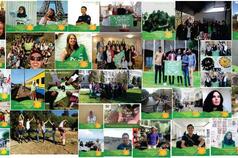
IAAS (International Association of Students in Agricultural and Related Sciences) is the biggest student organization in the field of agriculture and related sciences worldwide. IAAS was founded in 1957 and started with only 8 member countries. Today IAAS is made up of:

  • 108 Local Committees
  • In 50 countries
  • Presenting 88 universities 
  • More than 10 000 members worldwide

The aims and objectives of IAAS have been defined by the founding of the General Assembly back in 1957, and make up IAAS's mission: 
GFAR themes 2013

In developing countries, Agriculture has not only involved men but also relies on women’s contributions for its sustainability within rural economies.

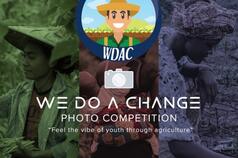
IAAS wants to bring that to mind and has launched: “We Do A Change” (WDAC) photo competition, making “Women in Agriculture” its theme. Share your perspective through your awesome photography and IAAS will showcase it on their Asia-Pacific Instagram account!

GFAR themes 2013

GFAR Partner IAAS was founded in 1957 and started with only 8 member countries. In 60 years, it became an association with over 40 member countries and about 10.000 students as members!

But still, their vision stays the same: To promote the Exchange of Experience, Knowledge and Ideas and to improve the mutual Understanding between Students in the field of Agricultural and Related Sciences all over the World!

The European Commission and the High Representative/ Vice-President have set out the EU's political priorities and concrete proposals for a stronger strategic partnership with Africa. The Joint Communication will now be presented to the Council and the European Parliament.

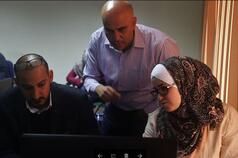
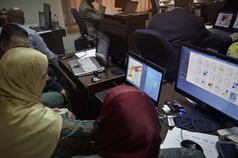
Jordan is set to have its first-ever operational drought monitoring system as a result of collaboration between different organizations, including the International Center for Biosaline Agriculture (ICBA), the Food and Agriculture Organization of the United Nations (FAO), the United States Agency for International Development (USAID), the United Nations Development Program (UNDP), and the University of Nebraska-Lincoln (

Subscribe to